Your water bill landed and it's higher than it's been in months. You didn't change how much you water, didn't add a pool, didn't do anything different. The first thing to check is whether you have a leak in your irrigation system. In Houston's heat, a small leak can waste hundreds of gallons a week without you ever noticing it, and your meter will catch every drop. The good news is that finding the problem yourself is often straightforward, and catching it early saves money fast.
Check Your Water Meter
Start by turning off everything that uses water in your house and outside. That means the toilet, washing machine, sprinklers, hose, everything. Go look at your water meter. Most Houston homes have them near the street or on the side of the house. Write down the number you see. Wait thirty minutes without using any water. Check the meter again. If the number went up, you have a leak somewhere in your system.
If the number stayed the same, your spike might be from seasonal watering changes or a one-time event like filling a pool. But if it moved, you know there's water going somewhere it shouldn't.
Walk Your Irrigation Lines
Once you know you have a leak, the next step is visual inspection. Walk your entire yard and look at the ground. In Houston's clay soil, water doesn't always drain down the way it does in other places. A leak will often show up as a soft spot, a patch of grass that's greener than the rest, or actual standing water. These wet patches are usually right on top of the problem.
Look especially where your lines come out of the ground near your house and where they connect to different zones. Connections fail more often than straight sections of pipe. If you see a wet spot, mark it so you remember where it is.
Run Your System Zone by Zone
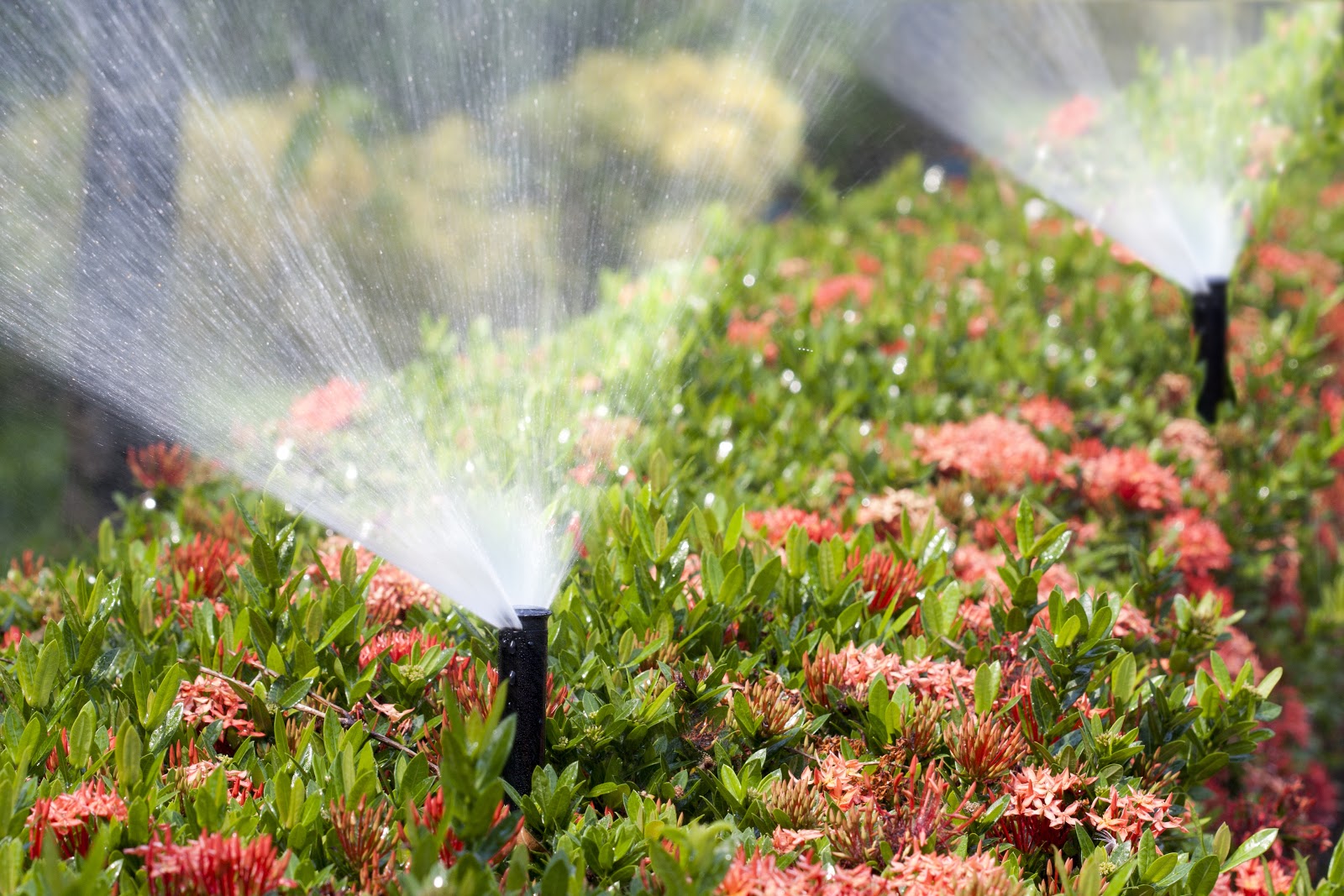
Most Houston irrigation systems are split into zones so different parts of your yard water on different schedules. If you haven't already, run each zone individually and watch what happens. You might see water spraying where it shouldn't, or notice that a certain zone is taking longer to reach full pressure than it used to. A leak in a line will often reduce the pressure in that zone, so sprinkler heads won't pop up all the way or spray as far as they should.
Listen too. Sometimes you can hear a hissing sound from a crack in the line, especially if you get down close to the ground. Houston's heat and the freeze-thaw cycles we occasionally get can crack PVC pipe, and those cracks get worse over time.
Check Your Sprinkler Heads
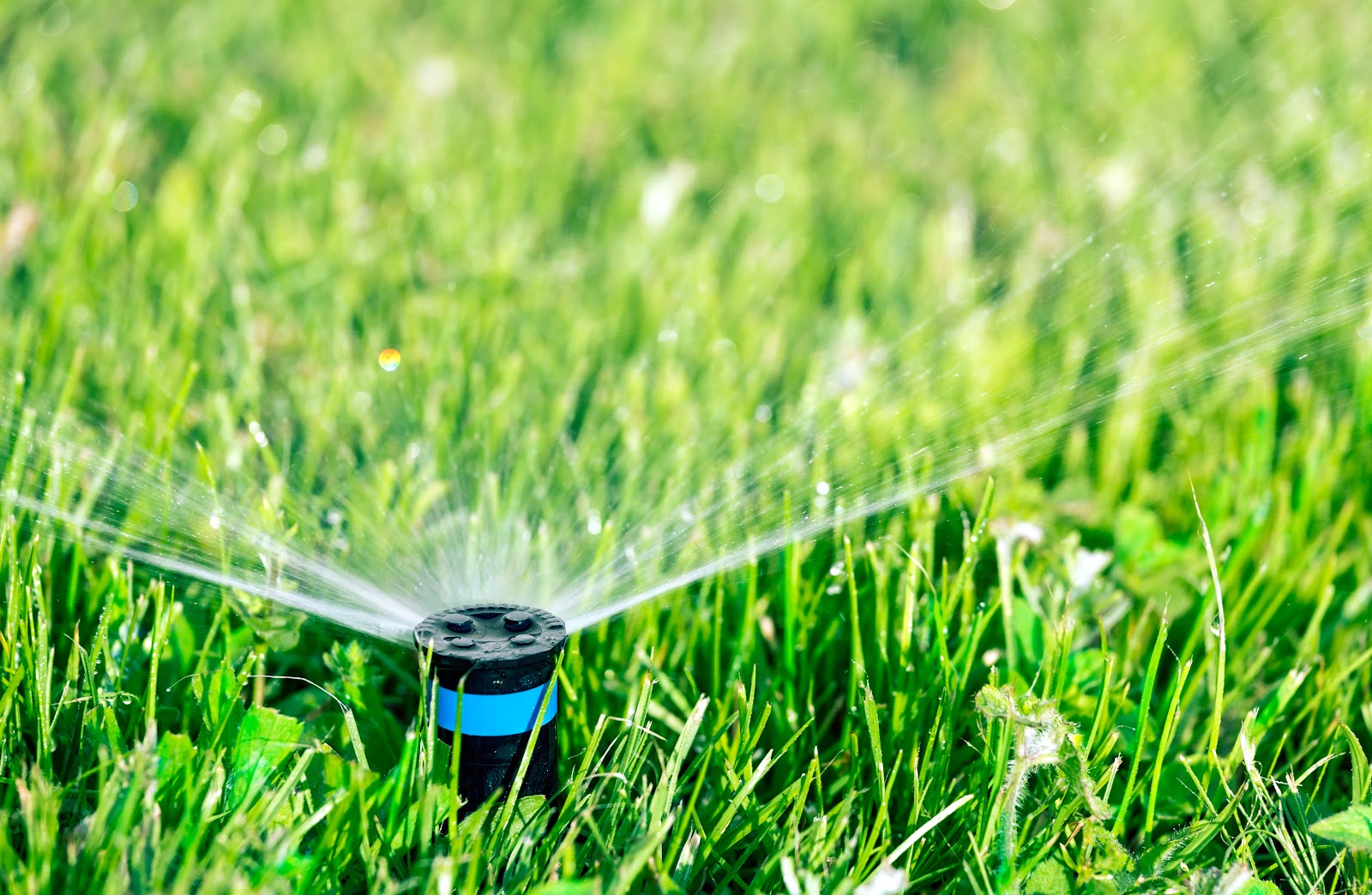
While your system is running, look at each sprinkler head. Make sure they're actually spraying. Heads get clogged with dirt, especially in Houston where our soil is heavy. A clogged head won't water properly and wastes water while the zone is running. You can usually clean them by hand or soak them in vinegar to dissolve mineral buildup.
Also look for heads that are cracked or broken. If a head is leaking water straight down instead of spraying out, that's a problem. Broken heads are cheap to replace and quick to fix.
Underground Leaks Are Harder to Find
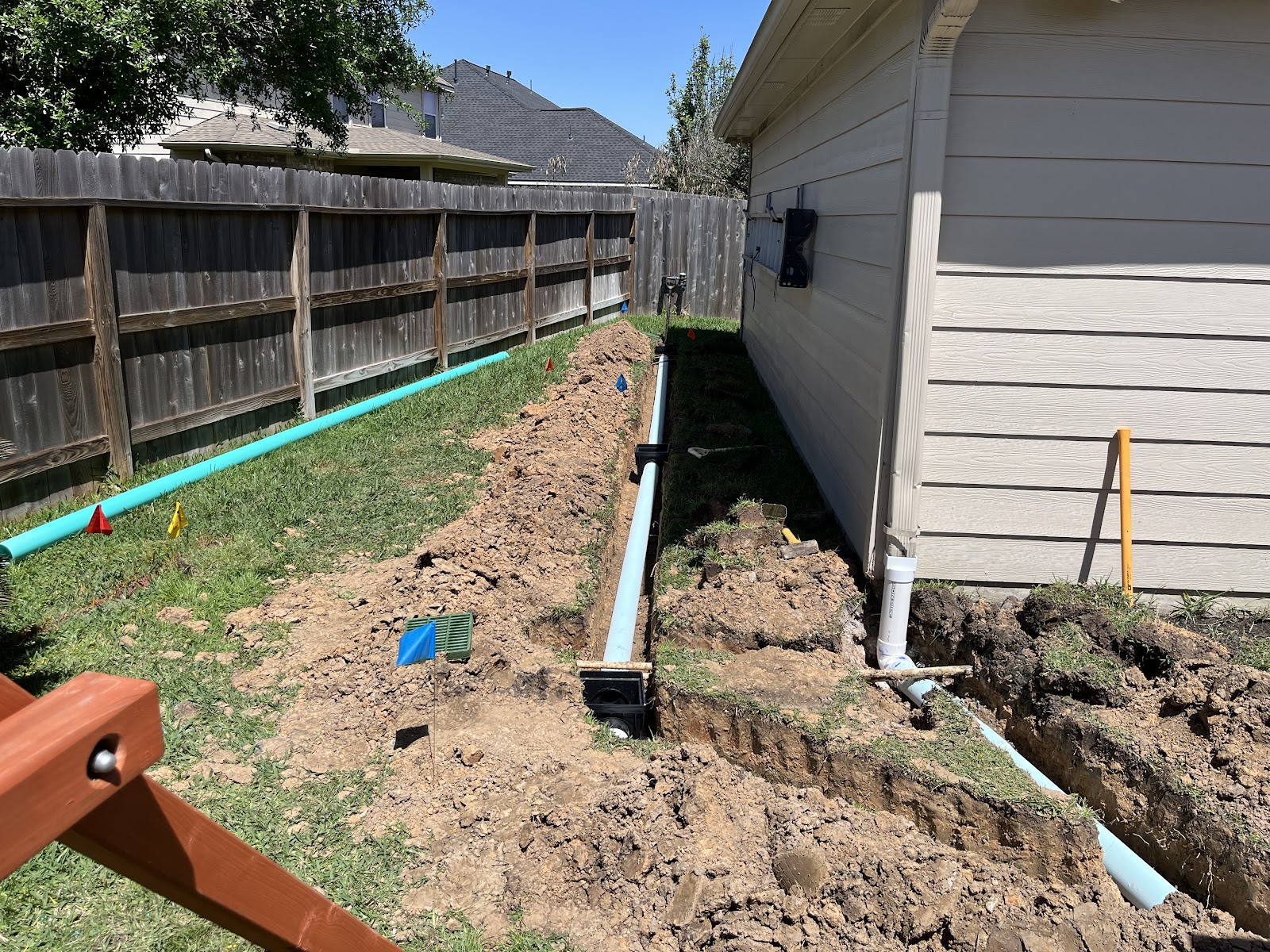
If you've walked your whole yard and don't see obvious wet spots, but your meter test proved you have a leak, the problem is probably underground where the main line runs. This is where it gets trickier. Underground leaks in Houston often show up as soft ground or areas where grass is dying instead of thriving, because the water is pooling below the surface.
You might also notice that one zone isn't holding pressure. If you turn it on and it builds pressure fine, but then you notice the pressure dropping even though nothing is running, that's a sign of an underground leak in that zone's line.
When to Call a Professional
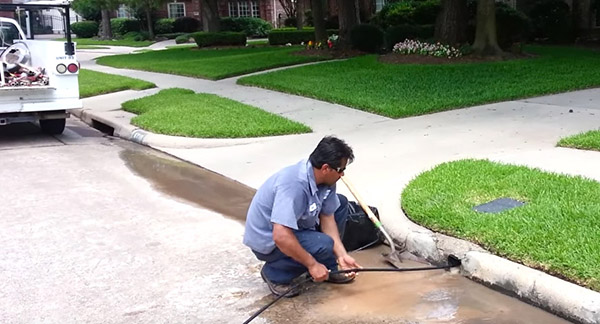
If you've done the meter test and walked the yard but can't locate the leak, or if you found it but it's in a main line that runs under your driveway or deck, that's the time to call someone who has the right equipment. Leak detection services use pressure gauges and sometimes ground-penetrating tools to pinpoint exactly where the water is escaping. It costs money upfront, but it beats digging up your whole yard guessing.
Also, if the leak is in a main supply line before it splits into zones, you need professional help because that line is usually buried deeper and harder to access safely.
The Houston Factor
Our climate and soil work against irrigation systems. The heat makes plastic brittle faster, and our clay soil doesn't drain well, so water pools and puts pressure on pipes. Regular maintenance catches small problems before they become expensive ones. Check your system twice a year, especially before and after summer.
A high water bill is your system's way of telling you something is wrong. The sooner you find it, the sooner you stop wasting water and money. If you've looked and can't find the source, JB Irrigation & Services can run a full diagnostic and get your system fixed. Call us to set up an appointment.