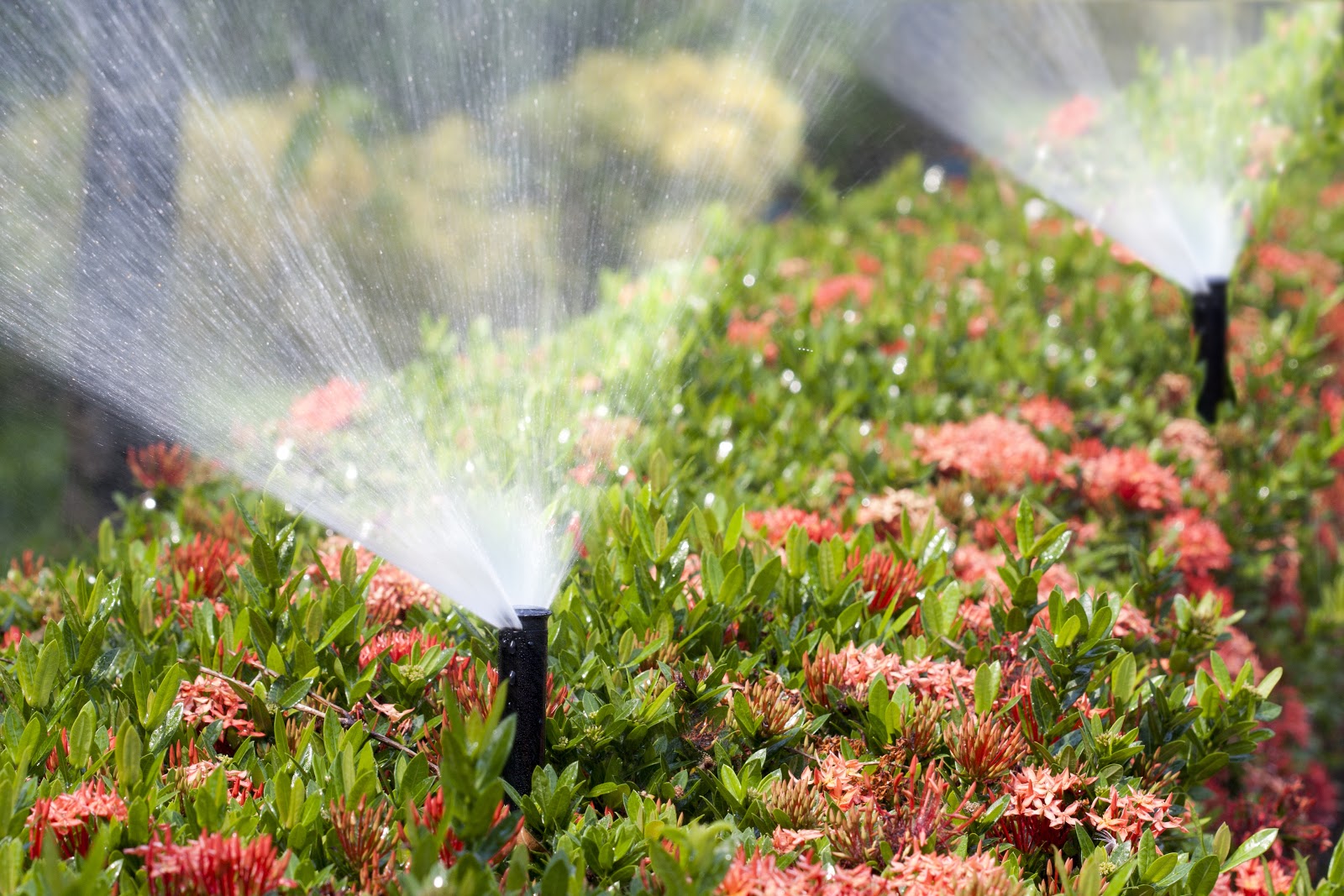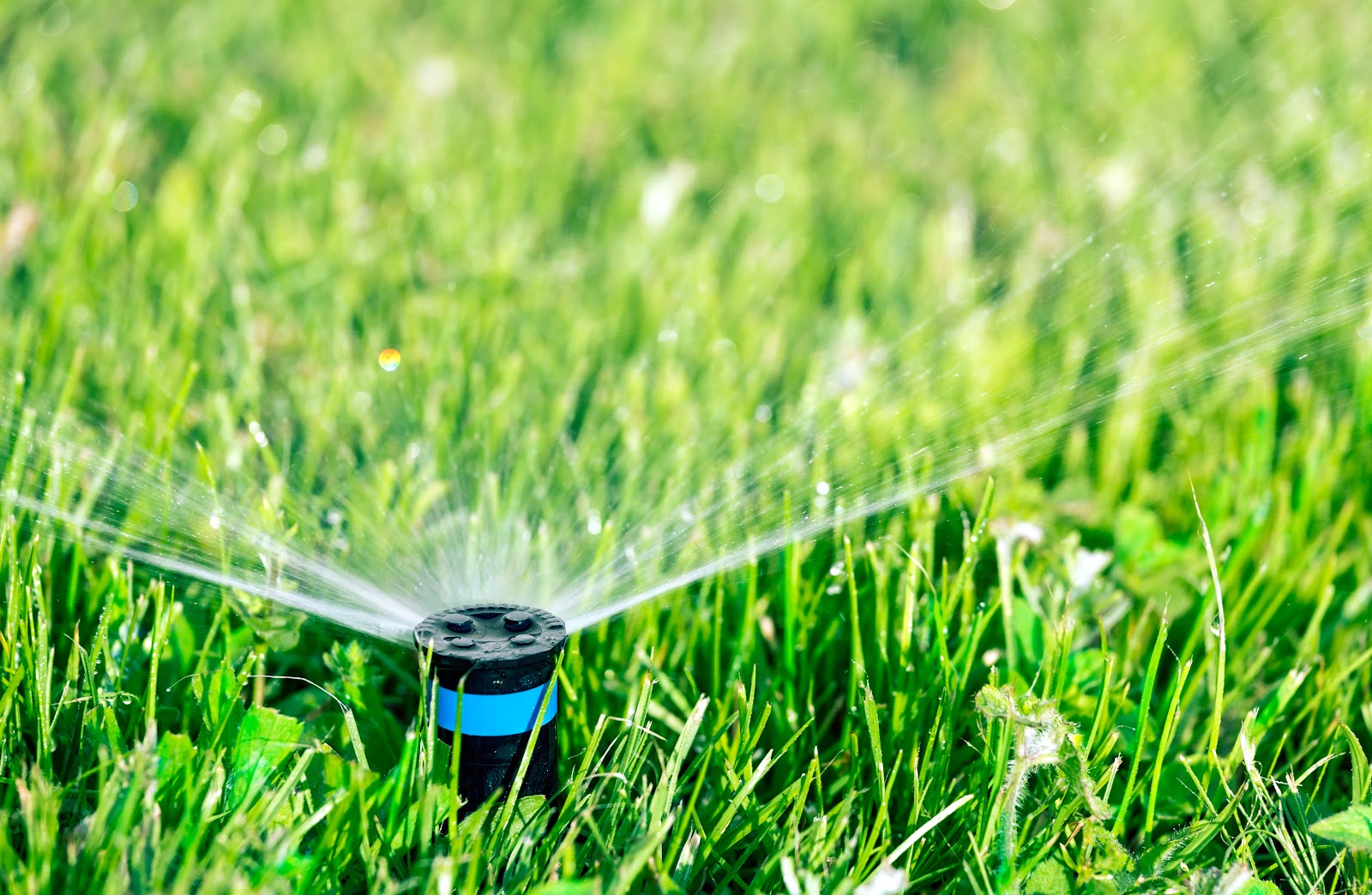
If you've noticed your lawn turning brown in July or your water bill climbing fast, your sprinkler timer is probably set wrong for Houston heat. Most people either water too much, wasting money and encouraging disease, or too little, and their grass dies back. The trick is matching your watering schedule to how hot and dry it actually gets here, not running the same program year-round. A few simple adjustments can cut your water use by 20 to 30 percent while keeping your lawn alive through August.
Why Your Timer Matters More in Summer
Houston summers are brutal. Temperatures hit 95 degrees regularly, and the humidity makes evaporation faster than you'd think. Your sprinkler system needs to run longer and more often in June and July than it does in March. But most homeowners set their timer once and forget it. That works fine in spring. Come summer, you're either oversaturating the soil, which kills roots and spreads fungus, or you're not putting down enough water to replace what the heat steals. The soil here is also heavy clay in a lot of neighborhoods. It holds water longer than sandy soil, so you need fewer frequent cycles rather than one long soak.
Start With the Basics: Frequency and Duration
In Houston, you want to water early morning, before 8 a.m., when evaporation is lowest and wind is calm. Your timer should split watering into two or three short cycles rather than one long one. In June and July, most lawns need water every other day or every two days. Run each cycle for 15 to 20 minutes, depending on your soil type and sprinkler head spacing. If you have clay soil, 15 minutes is often enough. Sandy soil needs longer, maybe 20 to 25 minutes. The goal is to wet the soil 4 to 6 inches deep, which is where the grass roots live. You can dig a hole after watering to check. If the soil is only wet an inch or two, you need to run longer. If it's soggy 8 inches down, you're running too long.
Adjust for Rainfall and Heat Spikes
Houston gets afternoon thunderstorms in summer, sometimes heavy ones. If you get a half-inch or more of rain, skip the next scheduled watering. Your soil is already saturated. Watering on top of that is money down the drain and a setup for root rot and brown patch fungus. If you have a smart timer with a rain sensor, make sure it's installed and working. Manual timers need you to actually go out and turn them off when it rains, which most people don't do. When the heat really peaks, say a heat advisory hits and it's 100 degrees, you might need to bump up to daily watering for a few days. But dial it back once the heat breaks. Constant daily watering, even in cooler weeks, will weaken your lawn.
Know Your Sprinkler Zones
Most residential systems in Houston have two to four zones, each with different sun exposure and soil conditions. Your front yard facing south gets hammered by afternoon sun. Your back corner with mature trees gets shade and needs less water. Don't run all zones on the same schedule. If your timer lets you adjust each zone separately, do it. Shaded areas can run 25 to 30 percent less than full-sun areas. Beds with mulch need even less. Turf areas in the heat need the most. If your timer only lets you set one program for all zones, you're probably overwatering the shaded spots and underwatering the hot ones. This is a good time to talk to someone who can reprogram it properly.
When to Call for Help
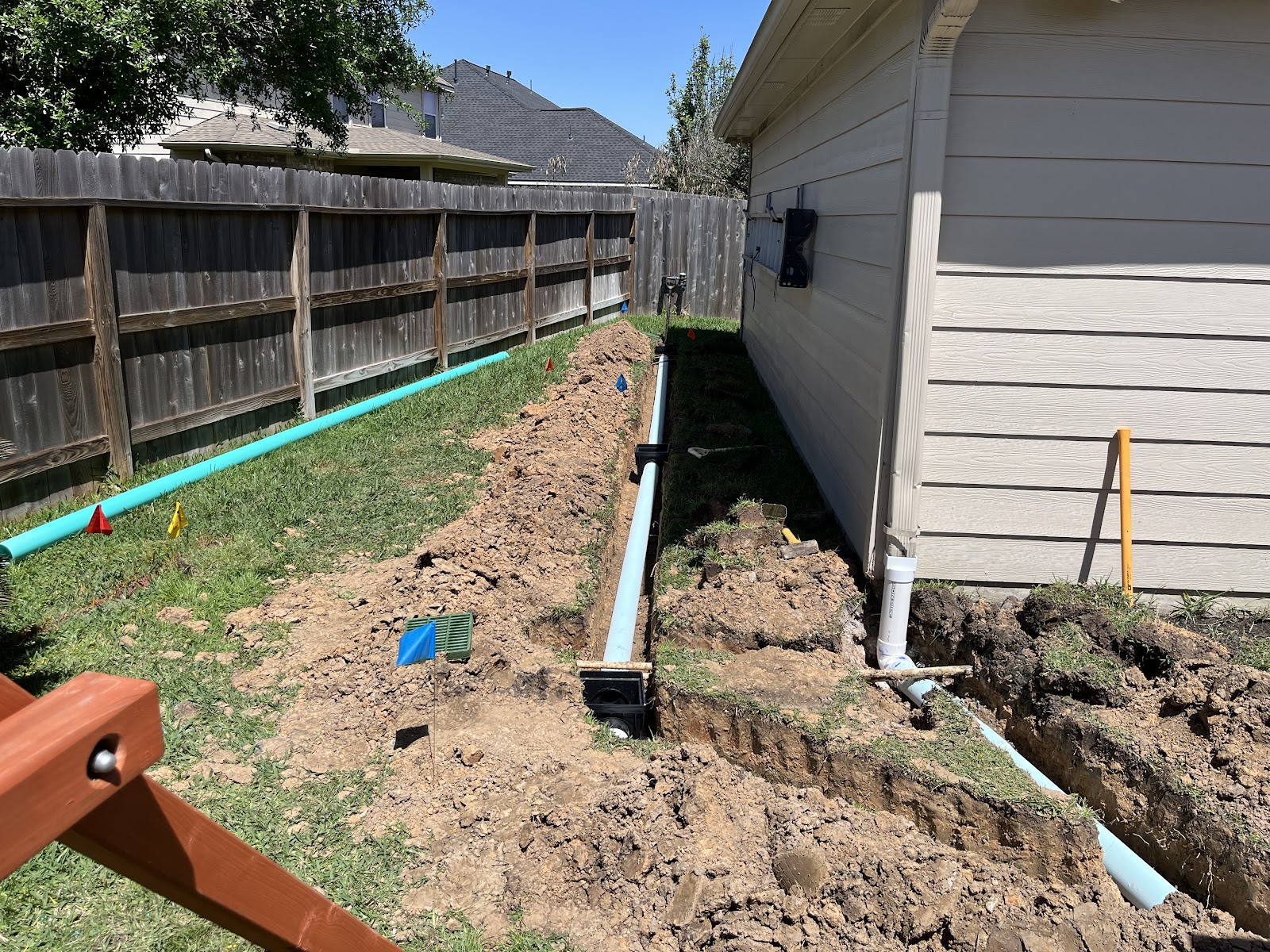
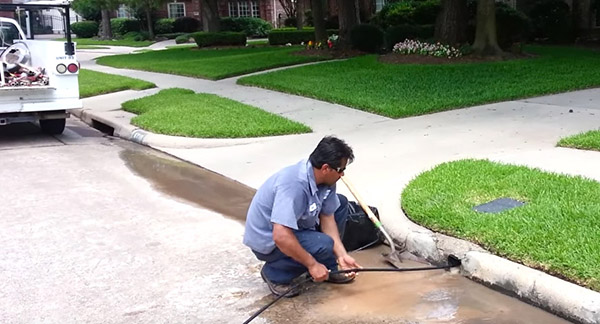
If your timer is old or you've never had the system checked, it might have leaks, clogged heads, or uneven coverage. A broken sprinkler head can waste hundreds of gallons and leave dry spots. If your lawn is patchy despite consistent watering, the problem might not be the timer at all. It could be compacted soil, poor drainage, or heads that aren't throwing water far enough. JB Irrigation & Services can walk through your system, test the coverage, and adjust the timer based on what your lawn actually needs. We've seen plenty of timers set to water at noon in July, which is about the worst time you can do it. We can also install a rain sensor if you don't have one, which pays for itself in a month or two during Houston's rainy season.
The bottom line is that your timer is a tool, and like any tool, it works best when it's set up right. A little time spent on it now will save you money and keep your grass green through the worst of the Texas heat.
Call JB Irrigation & Services to schedule a timer check or system evaluation. We'll make sure your sprinklers are working for you, not against you.