A well-maintained sprinkler system in Houston typically runs reliably for 15 to 20 years before you need major repairs or replacement. That's the honest baseline. But here's what matters more than the number: how you treat it now determines whether you get that full lifespan or whether you're replacing parts every few years. Houston's heat, humidity, and occasional freezes put real stress on irrigation equipment. Clay soil and mineral-heavy water don't help either. The difference between a system that dies at year 10 and one that still works at year 20 usually comes down to regular maintenance, proper winterization, and catching small problems before they become expensive ones.
What Actually Wears Out First
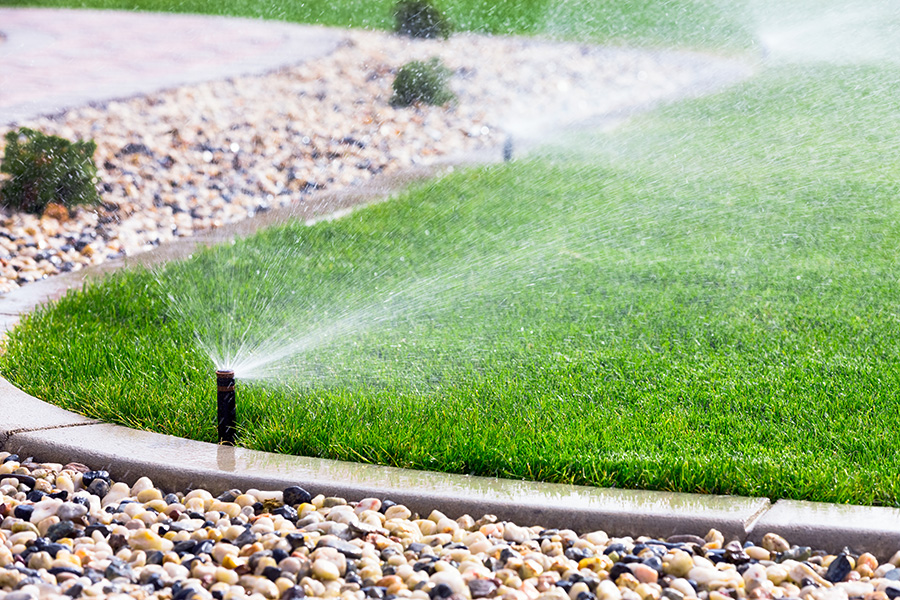
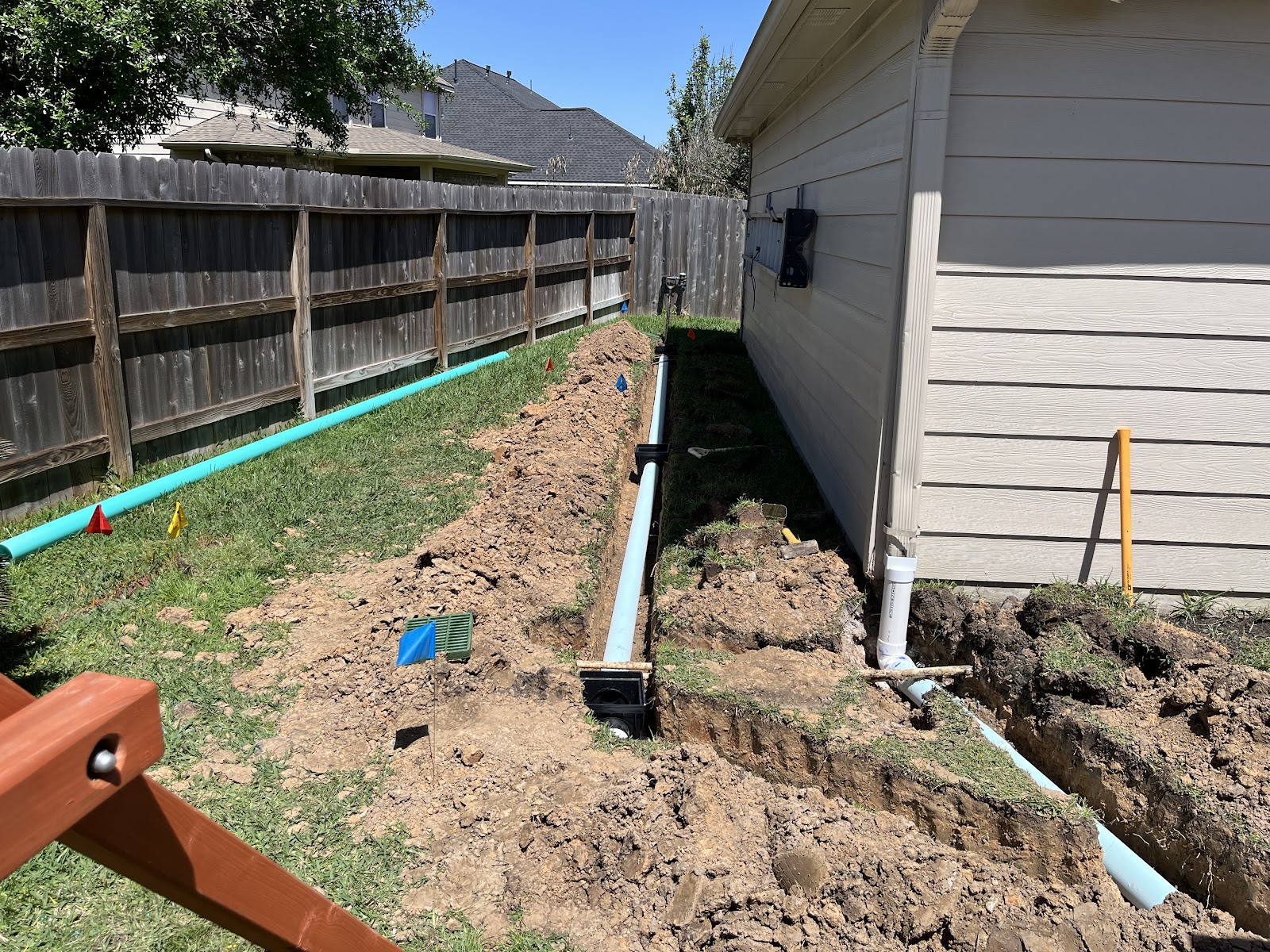
Your sprinkler heads are usually the first casualty. These get clogged by sediment, cracked by foot traffic or equipment, and their internal seals degrade from Houston's heat. You'll typically replace heads every 5 to 8 years depending on water quality and how often you're out there stepping on them. Valves come next. The solenoids that control water flow can fail after 10 to 12 years of use. Your main line and lateral lines, if they're buried properly, can last the full lifespan. But if they're shallow or hit by a shovel, you're looking at leaks much sooner. Controllers and timers are the wild card. Modern ones with WiFi and smart sensors might need replacement in 8 to 10 years because technology changes. An older dial timer could still work after 25 years if it's not been fried by a power surge.
Houston's Climate Is Hard on Everything
Our summers push equipment past what it was designed for in northern states. Plastic components get brittle faster. Rubber seals and gaskets dry out. If your system sits in full sun all day without any shade, you're accelerating that breakdown. The occasional freeze in January and February also matters. If you're not blowing out your lines properly, ice can crack them or damage valve internals. That's why winterization is not optional here, even though most of the year it feels silly to worry about cold. One bad freeze without proper drainage can set back your system by years.
Maintenance Actually Determines Lifespan
I've seen 12-year-old systems that look brand new because the owner runs a quick inspection every spring and fixes leaks immediately. I've also seen 8-year-old systems that look like they've been through a war because nobody paid attention until something broke. Spring startup should include checking every head for clogging and damage, testing zone coverage, and adjusting spray patterns if landscaping has grown. Summer means watching for leaks, making sure the controller is running on schedule, and cleaning filters if you have them. Fall is time to trim back plants that are blocking spray patterns. Winter is when you blow out the system and shut it down properly. This isn't complicated work, but it has to happen consistently.
When You're Actually Looking at Replacement
Your system is genuinely near the end when you're replacing multiple valves, heads are constantly failing, and you're losing water pressure regularly. If the controller is making noise or not responding to programming, that's a sign too. Sometimes it makes financial sense to replace a 12-year-old system even if it's still technically working, because the cost of constant repairs adds up. A new system with modern efficiency controls and drip irrigation for planting beds can actually save you money on water bills in Houston, where the cost of water keeps climbing. If your current system is inefficient, hitting sidewalks, or watering bare ground, replacement might pay for itself in a few years just through lower water usage.
Getting the Most Out of What You Have
The easiest thing you can do is fix leaks the moment you see them. A small drip at a valve connection can waste thousands of gallons a year. Keep an eye on your water bill too. If it spikes without explanation, something is leaking underground. Adjust your schedule seasonally. In Houston, most systems run too much in spring and fall when rain is more common. A smart controller that reads soil moisture or connects to weather data can cut water use by 20 percent. And don't ignore that winterization step in November. It's the single best insurance against major problems.
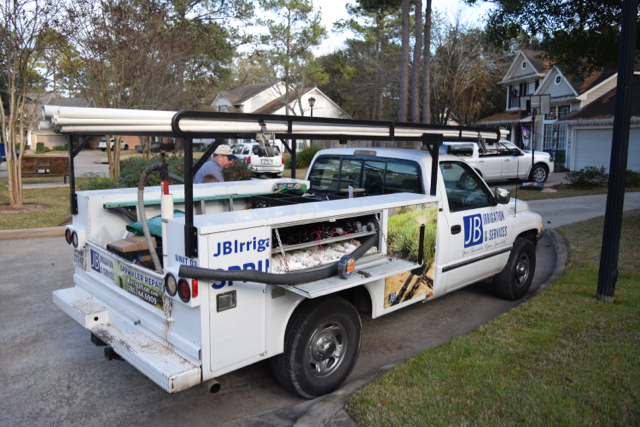
If you're getting close to year 15 with your current system, or you're seeing repeated repairs, it's worth having someone evaluate what you've got. JB Irrigation & Services can walk you through what's working, what's failing, and whether you're better off fixing or replacing. Give us a call and we'll give you the straight story about your system's real condition.