Picking the wrong sprinkler heads is one of the fastest ways to waste water and money in Houston. You'll either overwater some patches while others dry out, or you'll end up replacing them every couple of years because they clog with our heavy clay soil or fail under the pressure swings that come with our city water system. The right heads match your yard's layout, soil type, and how much sun different zones get. This matters more in Houston than in drier climates because our humidity and occasional flooding mean drainage and coverage patterns shift with the season.
Know Your Spray Radius and Throw Distance
The first thing to measure is how far your heads need to throw water. A spray head that shoots 8 feet won't work in a 12-foot-wide flower bed, and an impact head designed for 40 feet will oversaturate a small foundation planting. Walk your yard and measure the actual distance from where you'd place the sprinkler to the far edge of the area you want to water. In Houston's typical residential lots, you're usually looking at 15 to 25 feet for most zones, though corner lots and larger properties need different calculations. Don't guess. Use a tape measure. The manufacturer's specs on throw distance are reliable, but they assume good water pressure. Houston's municipal water pressure runs between 40 and 80 PSI depending on your neighborhood and time of day, so a head rated for 35 feet might only reach 30 feet on a hot summer afternoon when everyone's watering.
Match Head Type to Your Terrain and Soil
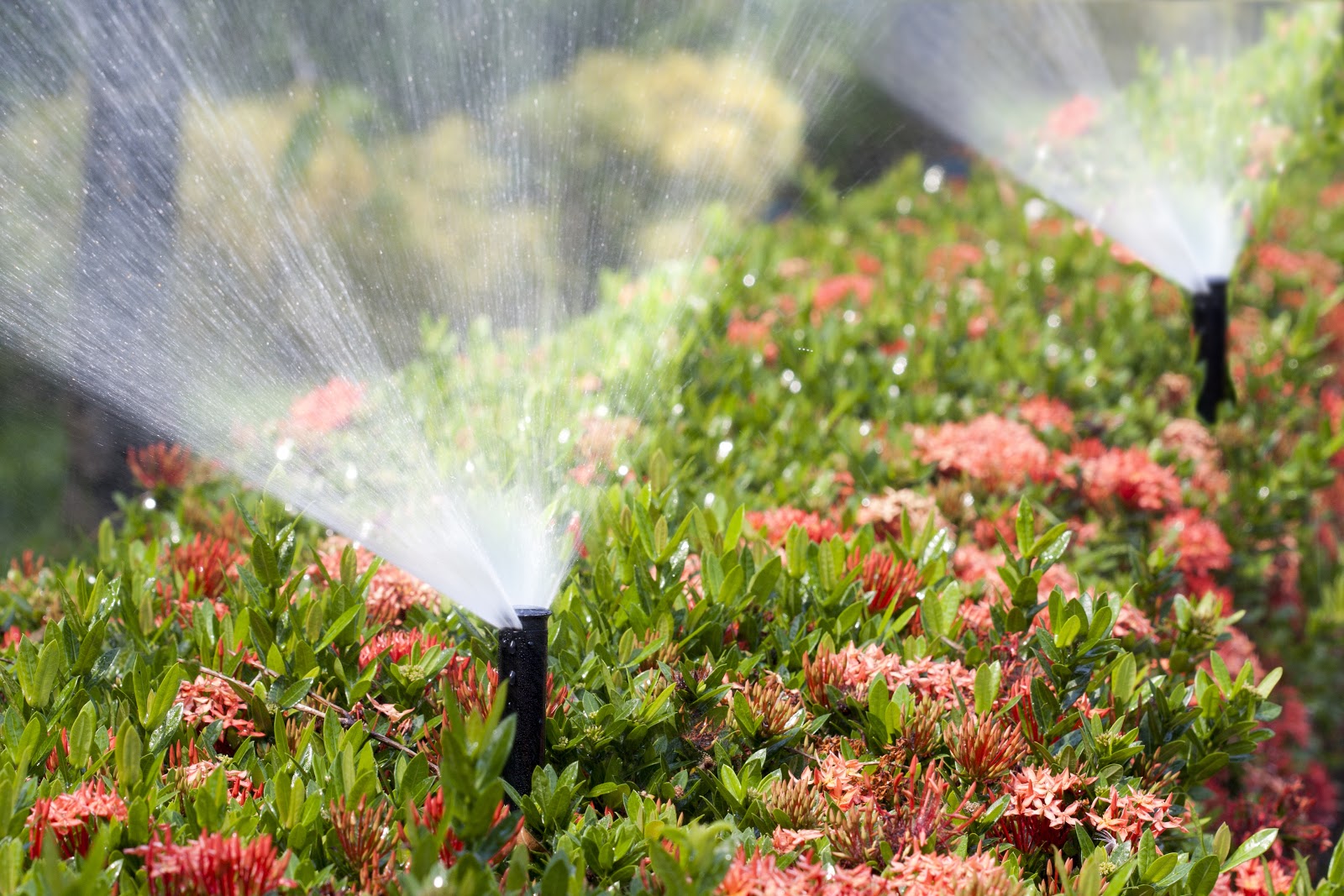
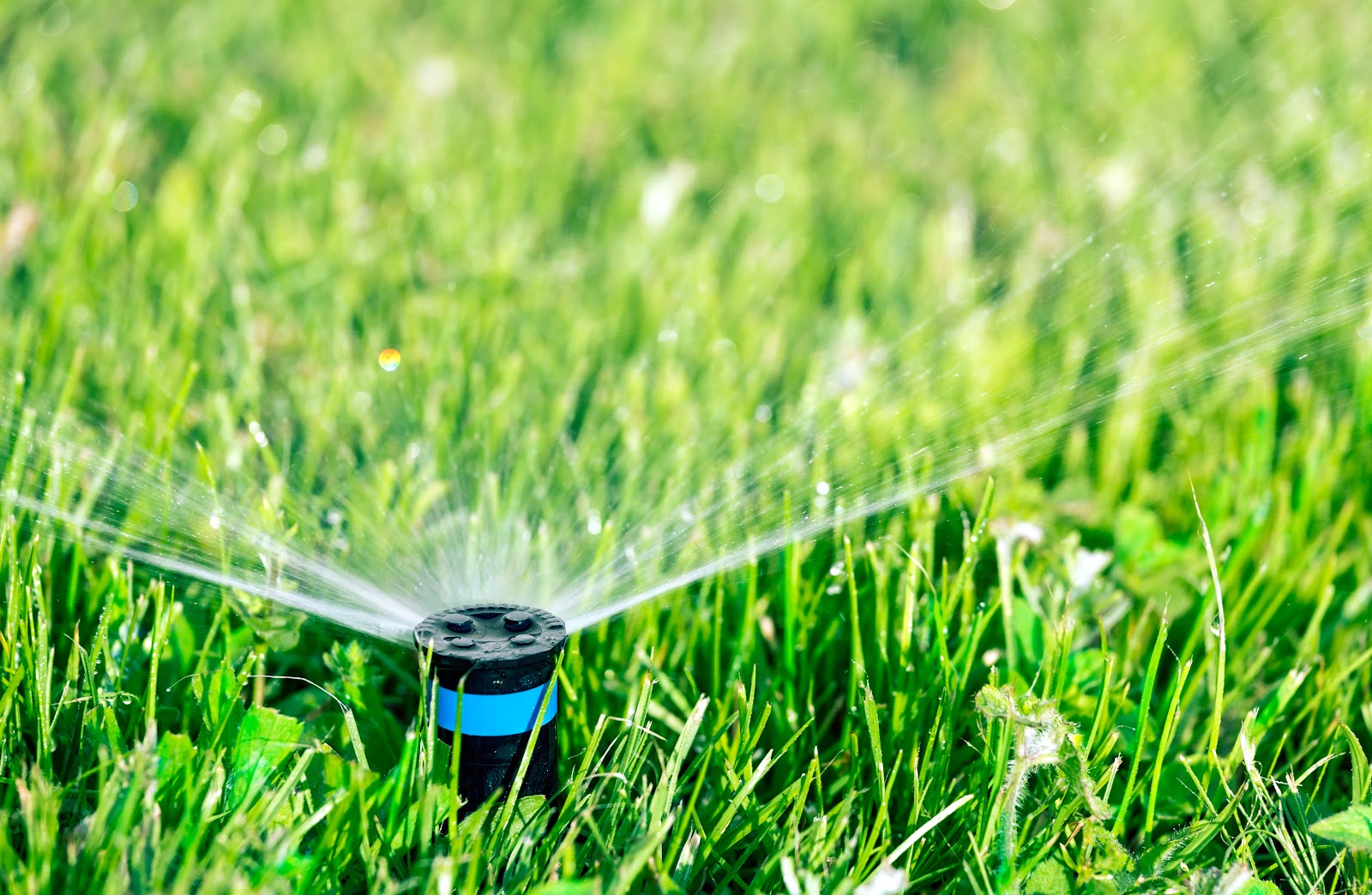
Houston yards sit on clay, sand, or a mix of both. Spray heads work best on level ground or gentle slopes because water pools easily in low spots. If your yard has any dips or slopes, you need heads that adjust for pressure, or you need to group them in zones that match elevation. Rotor heads are better for larger, sloped areas because they distribute water more slowly and evenly. In our clay-heavy neighborhoods like Bellaire or Meyerland, rotors prevent the runoff you get when you dump too much water too fast on compacted soil. Impact heads are the workhorses for open, flat spaces and do well in sandy soil. Drip irrigation and micro-spray heads belong in planting beds, under shrubs, and around trees because they deliver water right at the root zone without waste.
Account for Sun and Shade Zones
A bed that gets full sun all day needs more frequent watering than a shaded area under a live oak. Houston's intense afternoon sun bakes western exposures, especially in summer. Group your sprinklers by sun exposure, not just by location. A sunny south-facing bed might need water every other day in July, while the north side of your house might only need it twice a week. Your sprinkler heads should match this reality. You can't run everything on one schedule and expect healthy plants. Some irrigation controllers let you set different runtimes for different zones. If yours doesn't, you're either overwatering shade or underwatering sun. Most Houston properties have both, so plan for it during installation or when you're replacing old heads.
Watch Out for Clogging and Pressure Issues
Our water carries sediment and minerals. Even with a filter on your system, sprinkler heads clog. Pressure-regulated heads cost a little more but they stay cleaner longer and perform consistently even when city water pressure fluctuates. They're worth the investment in Houston. Check whether your heads have replaceable nozzles or screens. Some brands make it easy to swap out a clogged nozzle without replacing the whole head. Others don't. Easy maintenance means you'll actually do it instead of letting a clogged head sit and water the sidewalk instead of your plants. Inspect your heads before the summer heat really kicks in, usually by late April. A quick rinse or nozzle swap takes five minutes and saves water and money.
Don't Cheap Out on Brass or Quality Materials
Plastic heads fail in Houston's heat and UV. They crack, warp, and stop operating after two or three seasons. Brass and stainless steel components cost more upfront but last through multiple summers without degradation. If you're replacing just a few heads, buy quality. If you're doing a full system overhaul, quality heads pay for themselves in reduced replacement costs and lower water bills. Low-grade heads also tend to have loose connections that leak or spray patterns that drift, which means you're watering the wrong spots.
Test Before You Commit
Before you replace your whole system, test a new head type in one zone during your next watering cycle. Watch where the water actually lands. Does it reach the back corner, or does it fall short. Does it oversaturate near the head. Does it clog within a week. Real performance in your yard matters more than specs on a box. Houston's water and soil are specific. What works in Dallas might not work here.
Call JB Irrigation & Services if you want a professional to assess your current system and recommend the right heads for your property. We know Houston yards and can help you stop wasting water.