When one zone of your sprinkler system suddenly loses pressure while the rest of your yard waters normally, something specific has broken or clogged. This isn't usually a sign that your whole system is failing. In Houston's clay-heavy soil and with our hard water, zone-specific pressure loss happens often enough that you learn to spot the patterns. The good news is that most of these problems are fixable without replacing the entire system.
Check the Zone Valve First
The zone valve controls water flow into that specific section of your yard. If pressure drops only in one zone, this valve is the first place to look. The valve can jam from mineral buildup, especially here in Houston where our water leaves deposits inside pipes and valves. Turn off the system and locate the valve for that zone. It's usually in a valve box near your controller. Listen for a clicking sound when the zone runs. If you hear nothing, the valve solenoid may have failed and needs replacement. If you hear clicking but water still won't flow, the valve itself is stuck and needs cleaning or replacement.
Look for Leaks in the Zone Line
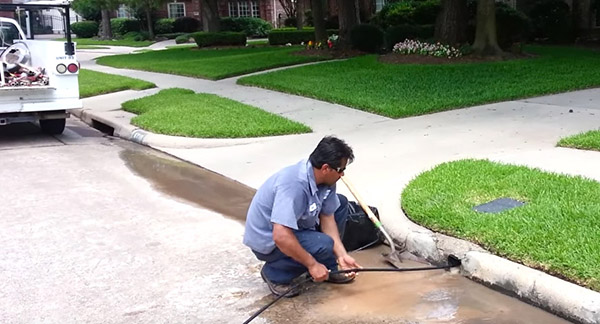
A leak somewhere in the underground or above-ground piping for that zone will kill your pressure. Walk the entire zone while it's running. Look for water bubbling up from the ground, soggy spots that aren't near any sprinkler head, or water pooling where it shouldn't. Even a small pinhole leak underground can drop your pressure enough that the heads at the end of the line barely spray. Leaks in the supply line to a zone are harder to spot than leaks at individual heads. If you see water coming up between the main line and the first head in that zone, you likely have a break in the lateral line. This usually requires digging and replacing that section of pipe.
Inspect the Sprinkler Heads
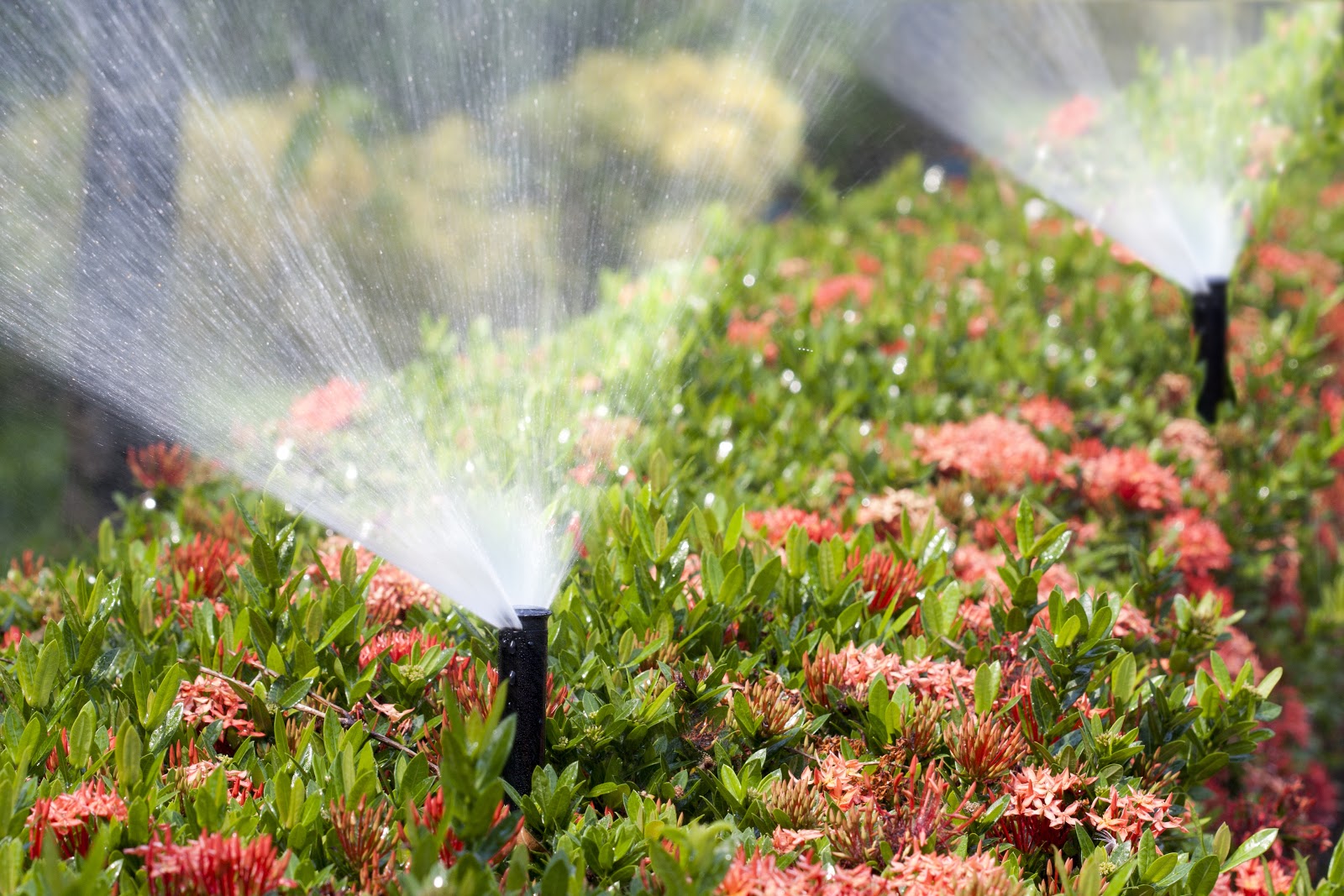
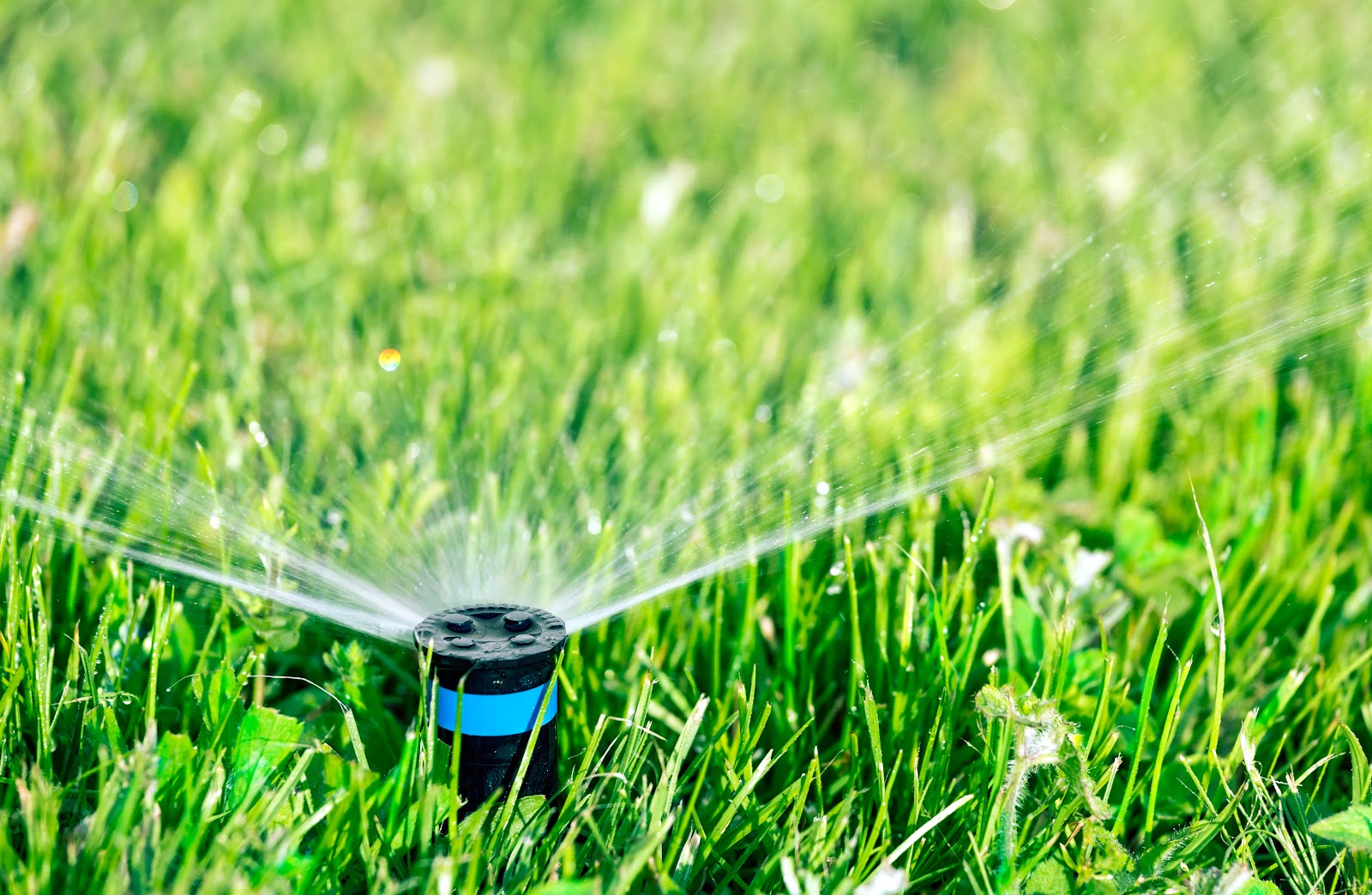
A single clogged or broken head can affect the whole zone's pressure. Walk through the zone and look at each head. Turn the system on and watch how much water comes out of each one. If one head is barely misting while others spray full, that head is either clogged or the internal diaphragm has failed. Clogging happens when dirt or mineral debris gets stuck in the nozzle. You can often clear this by unscrewing the nozzle and rinsing it out or using a thin wire to poke through the opening. If the head is leaking water from the cap or stem when the zone isn't running, the internal seal is gone and the head needs replacement. A single bad head won't usually tank the whole zone's pressure, but multiple clogged heads will.
Check for Backflow Prevention Issues
If your zone feeds into a backflow preventer or check valve, debris can lodge in there and restrict flow. Some systems have a separate backflow device for each zone. If pressure is low only in one zone, the backflow valve for that zone may be dirty. You can try shutting off the water and carefully removing the cap to inspect it for sediment. In Houston's older neighborhoods especially, backflow preventers can accumulate rust and mineral scale. If the valve looks corroded or clogged, it needs cleaning or replacement. This is one job where calling a pro makes sense because you need to make sure the backflow device is still working correctly after you touch it.
Confirm Your Controller Isn't the Culprit
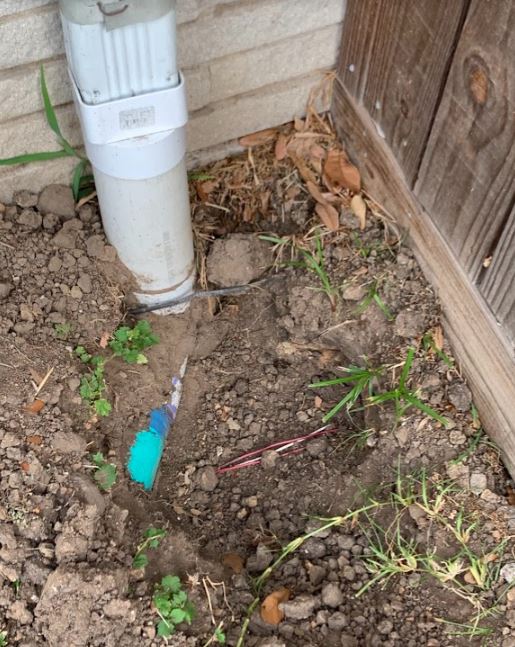
If the zone valve is clicking and opening but you're still getting low pressure, the controller itself might be sending a weak signal. A failing controller can produce just enough voltage to open the solenoid partway instead of all the way. This leaves the valve partially closed, which cuts your pressure. If you've ruled out leaks and clogged heads, have someone test the voltage at the solenoid while the zone is running. A working solenoid should see full voltage, usually 24 volts. If the voltage is dropping below 20 volts, the controller is likely failing.
When to Call for Help
If you've walked the zone and found no obvious leak or clogged head, or if you suspect the valve or controller is the problem, this is the time to bring in someone who knows irrigation systems. Digging up a zone line or replacing a valve requires the right tools and experience. In Houston heat, you also want the work done quickly and right the first time.
Give JB Irrigation & Services a call when your zone pressure drops and you want it diagnosed and fixed fast. We service all of Houston and know how our local water and soil conditions affect systems.