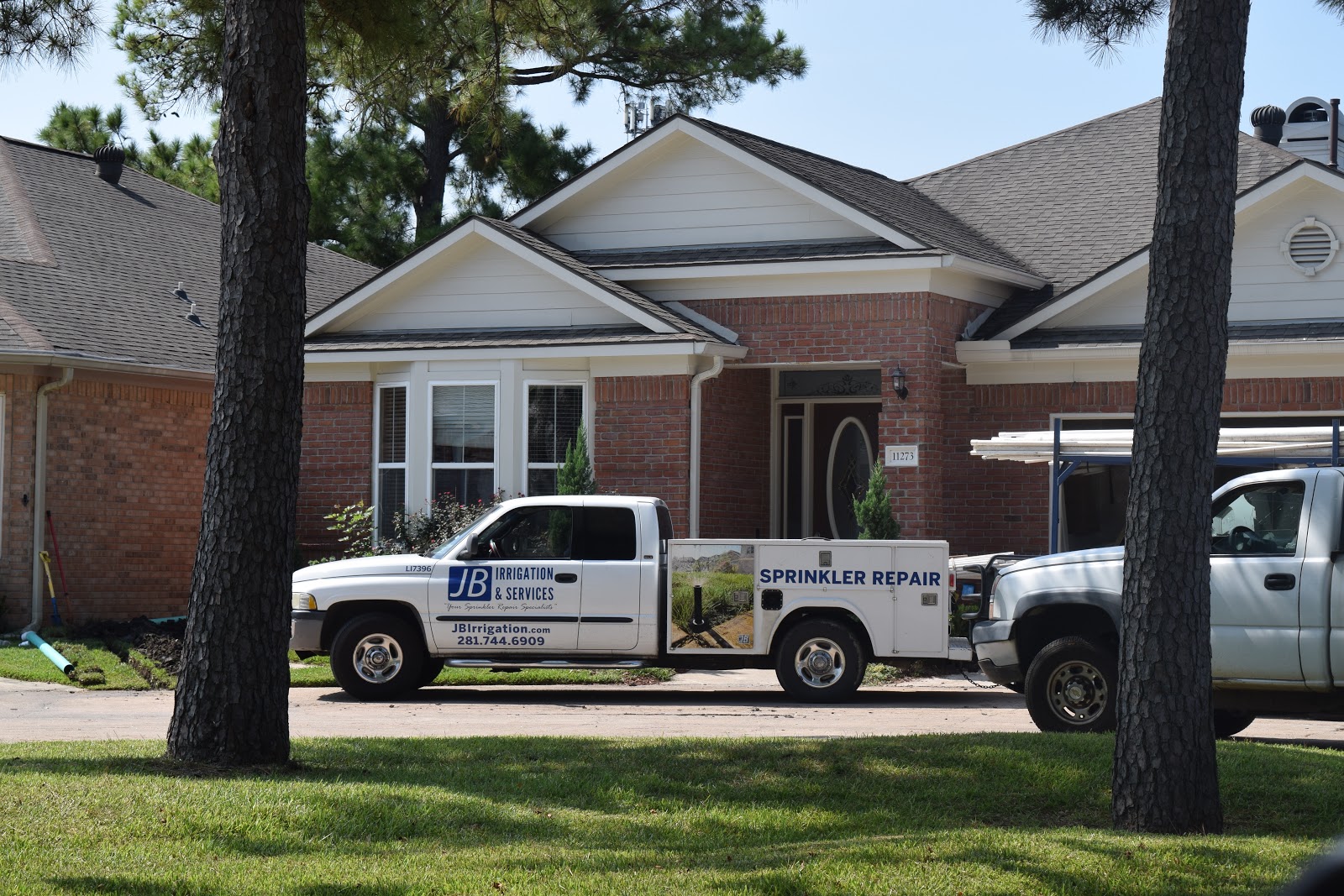
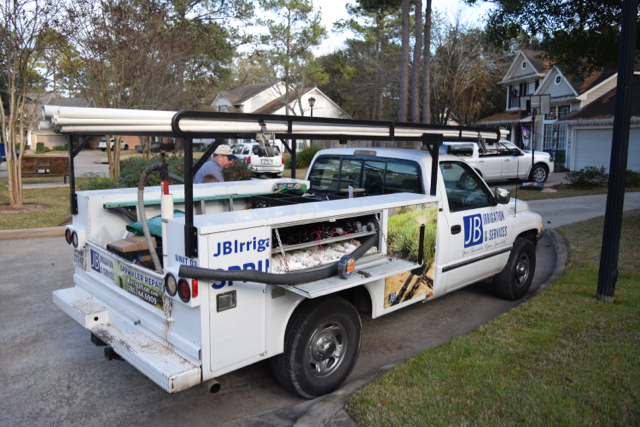
A backflow test is a legal requirement in Houston, and if you own a property with an irrigation system, you need to understand what it is and why your city requires it. In simple terms, a backflow test checks whether water can flow backward into the public water supply through your system. If it can, contaminated water from your landscape could end up in the pipes serving your neighbors' homes and businesses. That's why Houston's health department mandates testing every year. It's not bureaucratic busy work. It's a public health safeguard, and it's something JB Irrigation & Services performs regularly for residential and commercial customers across the area.
What Backflow Actually Means
Backflow happens when water reverses direction in a pipe. In an irrigation system, this can occur when there's a sudden drop in public water pressure, or when your system has higher pressure than the municipal supply. Imagine you're watering your lawn and a water main breaks two blocks away. The sudden pressure loss could siphon water from your system backward into the public line. Without a backflow preventer and regular testing, that water could carry fertilizers, pesticides, or other contaminants straight into the neighborhood's drinking water.
How the Test Gets Performed
During a backflow test, a licensed technician connects a gauge to test cocks on your backflow prevention device. These are small valves installed specifically for testing purposes. The technician isolates your system from the public water supply and applies controlled pressure to see whether water flows backward. The test checks both the inlet side and outlet side of the device. It takes about 30 to 45 minutes for a typical residential system, longer for larger commercial setups. The technician records results on a form that gets submitted to the city. If your device fails, it needs repair or replacement before the system can legally operate.
Why Houston Requires Annual Testing
Houston's municipal code requires annual backflow testing for any property with an irrigation system, fire suppression, or other system that could introduce non-potable water into the public supply. The city takes this seriously because backflow incidents can affect hundreds of people. A single failed test on an unchecked system could contaminate water used for drinking, cooking, and bathing across a whole neighborhood. The annual requirement ensures devices are working as they should. Over time, valves wear out, seals degrade, and debris can clog check valves. Testing catches these problems before they become public health emergencies.
What Happens If Your Device Fails
If a backflow preventer fails testing, you have two options. The first is repair. A technician can sometimes fix the device by cleaning internal components, replacing seals, or adjusting springs. Many failures are simple fixes. The second option is replacement. Depending on the device type and age, replacement might be more cost-effective than repair. Either way, you cannot legally operate your irrigation system until the device passes testing. If you ignore a failed test, the city can issue violations and fines. More importantly, you're exposing the public water supply to potential contamination, which is both a legal and ethical problem.
Staying Compliant Year to Year
Keep a record of your test results. The city requires proof of testing, and you may need documentation if you ever sell the property or have an inspection done. Schedule your test during the season when you're actively using irrigation, typically late spring through early fall in Houston. This gives the technician a better sense of how your system actually performs under normal operating conditions. If your device is more than 10 years old, discuss replacement options with your technician. Older devices are more likely to fail, and replacing them proactively is often cheaper than dealing with failures and repeated repairs.
Getting Your Test Done
JB Irrigation & Services handles backflow testing for Houston properties throughout the year. We perform the test according to city standards, submit the paperwork to the health department, and provide you with copies for your records. If your device fails, we can repair or replace it the same day in most cases. Staying on top of your annual test keeps you compliant, protects your neighbors' water supply, and gives you one less thing to worry about. Call us to schedule your backflow test and make sure your system is working safely.