When one sprinkler zone refuses to turn off, water keeps running even after the timer should have stopped it. This costs you money, kills your grass from overwatering, and signals something is broken in your system. In Houston's heat and humidity, a stuck zone is an expensive problem that gets worse fast.
The Most Common Culprit: The Solenoid Valve
Every sprinkler zone is controlled by a solenoid valve. This is a small electromagnetic device that opens to let water flow and closes to stop it. When you send a signal from your controller, the solenoid clicks open. When the timer stops, it should click shut. If your zone runs continuously, the solenoid is usually stuck open or not receiving the stop signal at all.
Solenoids fail because of dirt, mineral buildup, or age. In Houston's water, minerals accumulate inside the valve seat. The plunger gets stuck and won't drop back down to seal off the water. You hear the valve buzzing or humming, which means it's trying to close but can't. This is your signal to get it serviced before water damage spreads.
Check Your Controller Before Anything Else
Before you assume the valve is bad, verify the controller is actually sending a stop command. Walk to your controller and look at the display. Is it showing the zone as active even though the programmed runtime has passed. Does the zone stay on if you manually turn it off from the controller screen. If it does turn off when you command it manually, the solenoid is stuck. If it stays on no matter what you do, you may have a wiring problem or a controller failure.
Also check whether someone accidentally set that zone to run continuously. Some controllers have a manual override or a test mode that runs a zone indefinitely. It sounds simple, but it happens more than you'd think.
Wiring Issues and Loose Connections
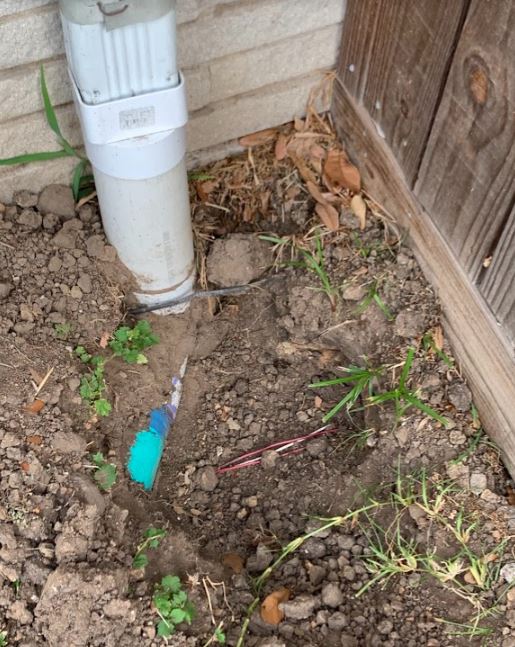
The wire that carries the signal from your controller to the solenoid can go bad. In Houston, heat and moisture corrode connections. If a wire is cut, loose, or corroded at the terminal, the solenoid won't get the signal to close. You may see corrosion as green or white buildup on the wire terminals where they connect to the valve.
Check the valve box for standing water or mud. If the box floods regularly, water gets into the solenoid connector and causes shorts or corrosion. This is common in low spots around Houston properties. The fix might be as simple as cleaning the connection and protecting it with dielectric grease. Sometimes you need to reroute the wire or move the valve box to higher ground.
When the Valve Itself Is Damaged
If the solenoid is truly stuck open, you have two options: rebuild it or replace it. A rebuild involves taking the solenoid apart, cleaning the internal plunger and valve seat, and reassembling it. This costs less but doesn't always work if the parts are worn out. A replacement solenoid is more reliable and usually the better choice for a zone that's been running continuously and wasting water.
Some zones have a manual bleed screw on the valve. If this screw is loose or cracked, water leaks past it and the zone never truly closes. Tightening or replacing the bleed screw is a quick fix.
Water Pressure Problems
High water pressure can hold a solenoid open even when it's trying to close. If your system pressure is above 80 PSI, the force of the water pushing up on the plunger can overcome the solenoid's pull. This is especially true on older solenoids that are losing strength. Installing a pressure regulator at the main line or at the zone itself can solve this. It's a common fix for Houston systems that are fed from wells or that sit at the bottom of a service area.
Sediment and Debris in the Line
Dirt, sand, or debris can jam the solenoid valve open. If you recently had a break in your line or flushed the system, sediment may be circulating. A small piece of gravel or mineral scale can wedge the plunger open. Flushing the line or installing a filter on the zone can clear this out. If debris is the problem, you may also need to clean the filter screen on the solenoid itself.
What to Do Right Now
Turn off the zone manually at the controller to stop the water. Mark the affected zone so you remember which one it is. Check the valve box for debris, loose wires, or standing water. If you can access the solenoid, look for corrosion or visible damage. Take a photo of the valve so you have the model number handy when you call for service.
Don't ignore this. A zone running continuously can waste thousands of gallons in a Houston summer and create soft spots in your lawn where fungus and disease thrive.
JB Irrigation & Services has fixed stuck zones in Houston for years. We can diagnose whether it's the solenoid, the wiring, the controller, or water pressure in about an hour. Call us to get your system back in control.