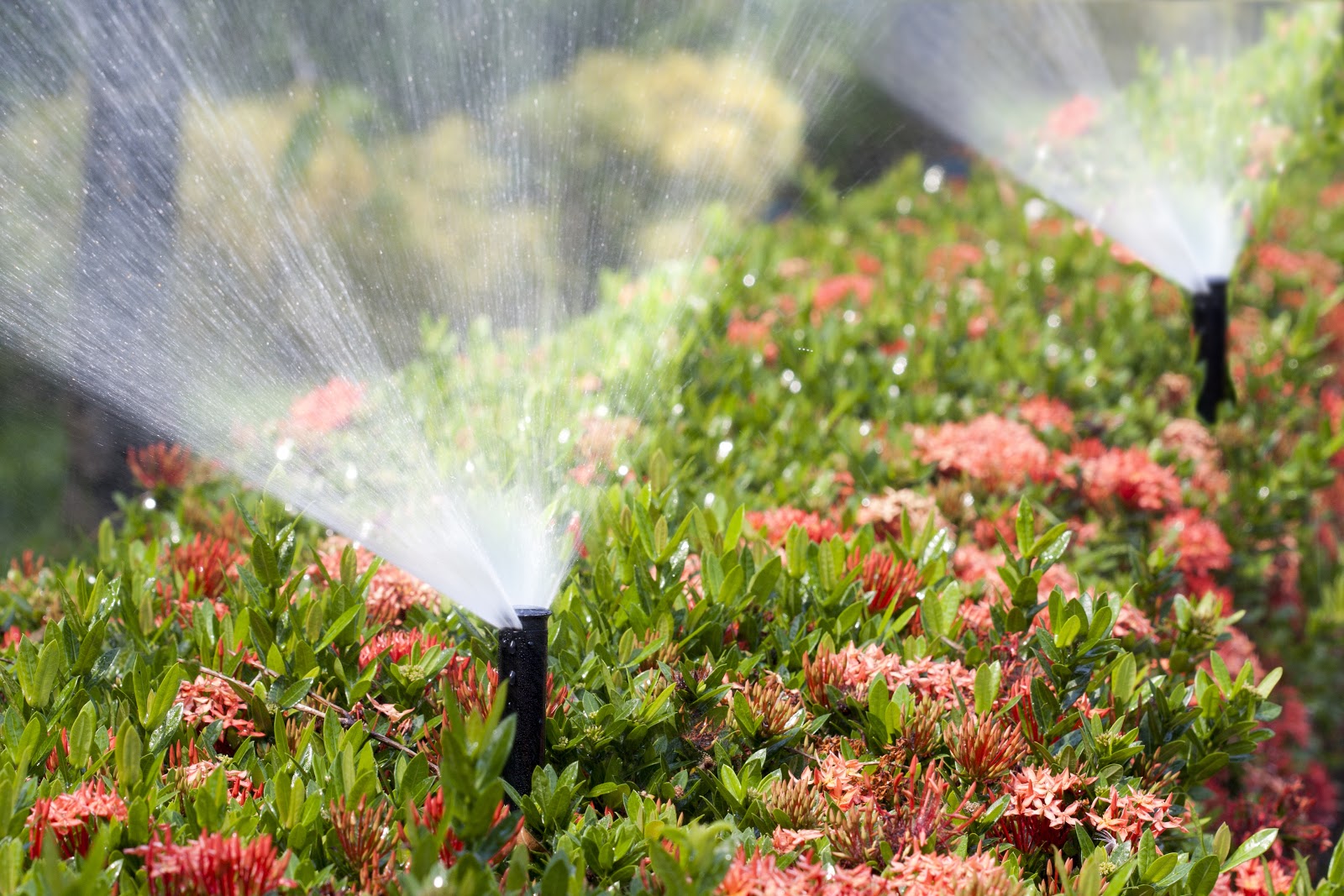
Sprinkler heads that sink into your lawn aren't just an eyesore. They spray water at the wrong angle, miss entire sections of your yard, and eventually stop working altogether. The soil underneath them compacts and shifts, and before you know it you're calling for repairs every season. The good news is that sinking heads are preventable, and understanding why it happens in the first place helps you avoid the problem or fix it the right way.
Soil Settling Is the Main Culprit
When irrigation systems get installed, the ground gets disturbed. Trenches are dug, soil is moved around, and new pipe gets laid. Even with good backfill work, that soil needs time to settle naturally. In Houston's clay-heavy soil, this settling can take weeks or even months. Your sprinkler heads sit on top of this unstable ground, and as the soil compresses beneath them, the heads sink lower and lower. This is especially noticeable after heavy rain, which accelerates settling and can cause dramatic drops in head height over a short period.
Water Saturation Weakens the Ground
Houston's humidity and frequent irrigation create a perfect storm for soggy soil around sprinkler heads. When soil stays consistently wet, it loses its structural integrity. Clay soil in particular becomes soft and mushy when waterlogged. A sprinkler head sitting on saturated ground will gradually sink as that wet soil can't support the weight. If you're running your system on a daily schedule during summer, or if you have poor drainage in certain spots of your yard, you're accelerating this problem. The head doesn't just settle once and stop. It keeps sinking as long as the ground stays soft.
Poor Drainage Around the Head
Some yards have low spots or areas where water naturally pools. If a sprinkler head ends up in one of these zones, water collects around it instead of draining away. You get standing water, the soil stays saturated, and the head sinks. This is common in older Houston neighborhoods where the original grading wasn't ideal, or in newer subdivisions where the builder didn't properly slope the yard away from hardscape. Even a slight depression around a sprinkler head can cause problems over time. The water doesn't have to pool visibly. Sometimes it's just that the soil in that one spot stays wetter longer than the rest of your lawn.
Foot Traffic and Compaction
Kids playing, dogs running, or heavy foot traffic near sprinkler heads creates a different kind of problem. Repeated compaction of the soil around the head forces it down incrementally. If a sprinkler head is located near a pathway, a play area, or anywhere people or pets walk regularly, you'll see it sink faster than heads in open lawn. This is especially true in Houston where a lot of families have active yards. The damage isn't from the head itself but from the constant pressure on the ground around it.
Installation Depth Matters
Sometimes sinking heads come down to how the system was installed in the first place. Sprinkler heads need to sit at exactly the right height. Too high and they look awkward, stick out, and get damaged by mowers. Too low and they're prone to sinking and clogging with debris. If a head was installed in soil that was already loose or wasn't properly compacted during installation, it's going to sink sooner. The installer should have used a riser or adjusted the installation depth to account for expected settling, but not every contractor does this correctly.
What You Can Do About It
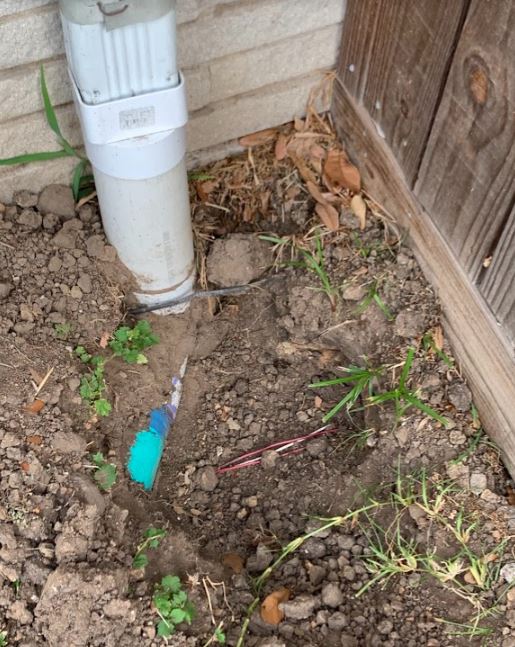
The first step is to check your drainage. If you notice water pooling around any heads, that's a sign you need to improve grading or install a French drain in that area. For heads that are sinking due to normal settling, you may be able to raise them by carefully digging around the base and adding soil, then recompacting. It's tedious work, but it works if the head isn't too far gone. For heads that are already too low, replacement with proper installation depth is usually the better option.
Running your irrigation schedule smarter also helps. In Houston's climate you don't need daily watering except during the hottest parts of summer. Reducing watering frequency gives soil time to dry out between cycles, which helps it maintain structure and resist sinking. If you have areas with chronic drainage problems, consider adjusting your system's zones so those spots run less frequently or on a different schedule.
If your sprinkler heads are sinking or you're worried about future problems, JB Irrigation & Services can evaluate your system and yard to identify the real cause. We've installed and repaired thousands of systems across Houston and know exactly how local soil and weather patterns affect head placement. Give us a call and we'll get your system back to working the way it should.