Most homeowners in Houston don't think about their irrigation system until something stops working. Then you're standing in your yard with a dead zone or a busted line, wondering if you can patch it or if the whole thing needs to come out. The answer usually comes down to the age of your system, what broke, and how much you've already spent keeping it running. A twenty-year-old system with repeated failures is a different animal than a five-year-old one with a single bad valve. Understanding the difference between a repair that makes sense and a replacement that saves you money in the long run is what separates people who stay dry from people who watch their landscape die in patches.
How Old Is Your System
Age matters more than most people realize. A typical sprinkler system in Houston lasts twelve to fifteen years if you maintain it. The main culprits that fail are controllers, valves, and wiring. If your system is under ten years old and you're looking at a single broken component, repair almost always wins. A new valve costs two hundred to four hundred dollars. A new controller runs three hundred to six hundred. Those are reasonable expenses to keep a young system alive.
Once you hit fifteen years, the math starts to shift. You're not just replacing one part anymore. You're replacing it, and then six months later something else goes out. The original components are wearing out together. Houston's heat and humidity accelerate that wear. If you're on your third or fourth repair in two years on a system that's been in the ground since 2008, replacement is probably cheaper over the next five years than patching will be.
What Broke and How Often
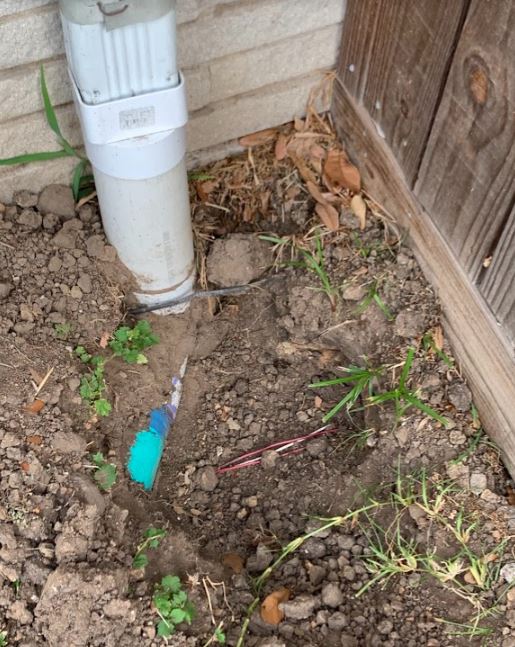
A single leak in a line is a repair. A valve that won't close is a repair. These are isolated failures. You fix them and move on. But if you're calling us out twice a year, or if multiple zones have stopped working, or if your controller keeps losing its programming, you're looking at systemic problems. That's when replacement starts to make sense.
The Houston climate is brutal on irrigation equipment. Our clay soil expands and contracts, which puts stress on buried lines. Our summer heat bakes the wiring in controllers. Our humidity corrodes connections. If your system is older and showing multiple points of failure, each repair is just buying time before the next one fails.
Water Bills and Efficiency
An old system that's been repaired multiple times often wastes water. A valve that doesn't seal completely, a controller that runs zones too long because the timer is drifting, a line that leaks underground for weeks before you notice. That adds up on your water bill. A new system with modern components and a smart controller can cut your water use by twenty to thirty percent. In Houston, where we run irrigation eight months a year, that's real money.
If you're spending more on water than a new system would cost you in savings over five years, replacement makes sense even if the old system still technically works. A new controller with weather sensing adjusts your watering based on rain and temperature. That's not a luxury. That's money back in your pocket.
Parts Availability and Labor
Older systems sometimes use components that are hard to find anymore. If your controller is from 2005 and it fails, you might find a replacement online, but it's not a standard part anymore. You're paying a premium for an obsolete component. Meanwhile, a modern system uses standard parts that any irrigation company stocks. That matters when something fails on a Saturday in August and you need it fixed Monday.
Labor also adds up. If a technician spends two hours troubleshooting an old system to find a corroded connection or a failed wire, you're paying for that time. A new system is installed once and then runs without the diagnostic headaches.
The Replacement Path
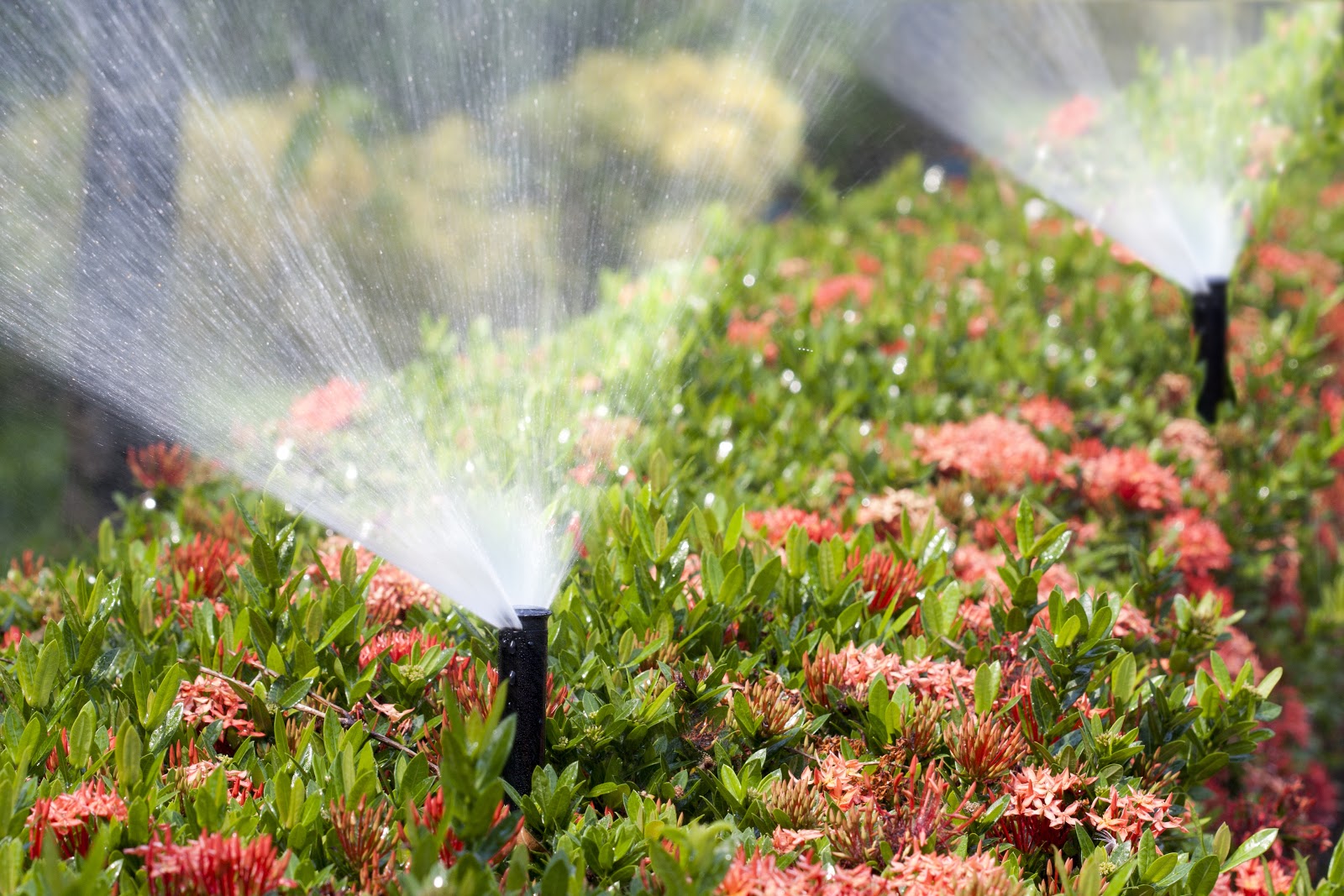
If you decide replacement is the right move, a new system doesn't have to be complicated. We design systems that match your landscape and your water budget. A modern controller can be programmed in minutes. Drip lines for planting beds work better than spray heads in most Houston yards. Smart scheduling means you're not watering during a rainstorm.
The installation takes a few days depending on your yard size. You'll have downtime on your landscape, but then you're done. No surprises. No patches. No wondering when the next failure is coming.
Making the Decision
Get a professional evaluation. We can look at your system, tell you what it would cost to repair versus replace, and show you the long-term numbers. Sometimes a repair is clearly the right choice. Sometimes you're throwing good money after bad. The key is knowing which situation you're actually in instead of guessing.
If you're in Houston and your system is giving you trouble, call JB Irrigation & Services. We'll assess what you have, give you honest advice about repair versus replacement, and help you make the choice that works for your budget and your landscape.