Finding a hidden sprinkler leak in your Houston yard can save you hundreds of dollars in water waste and keep your lawn looking healthy. Most homeowners don't realize they have a leak until the water bill spikes or a brown patch shows up in the middle of otherwise green grass. The problem is that underground lines and buried heads make leaks hard to spot, and the longer you leave it, the worse it gets. In our humid Houston climate, a leak can also create soggy soil that invites root rot and fungal problems. The good news is that with a little attention and the right approach, you can track down exactly where the problem is.
Check Your Water Meter for Proof of a Leak
The fastest way to confirm you have a leak is to check your water meter. Turn off every water source in your house: toilets, faucets, washing machine, everything. Then go outside and look at your meter. If the numbers are still moving or if you see a small red triangle spinning, you have an active leak. This tells you whether the leak is in your house or in your irrigation system. If the meter stops when you shut off the house but keeps moving when the sprinkler system is on, you know the leak is in your yard. Write down the meter reading and check it again in an hour with the system off. A change means water is escaping somewhere in your lines or heads.
Walk Your Yard During Watering Time
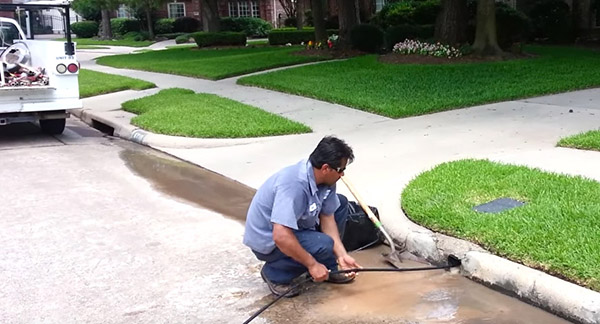
The simplest detective work happens while your system is running. Walk slowly through every zone of your yard and look for wet spots, soggy ground, or standing water where there shouldn't be any. In Houston's clay soil, a leak often shows up as a muddy patch or an area that stays wet long after the sprinklers should have dried out. Look for pooling near the edges of your lawn, in flower beds, or along walkways. Pay special attention to low spots where water naturally collects. Sometimes you'll see a small fountain or spray of water coming from the ground, which means a line has cracked or a fitting has come loose. Take photos of any suspicious areas so you can remember exactly where they are.
Listen for the Sound of Running Water
This works best early in the morning or late evening when things are quiet. Turn your system on and stand near the areas where you suspect a leak. A broken line underground often makes a hissing or whistling sound as pressurized water escapes. The sound travels through the soil and can be heard from the surface if you're close enough. Walk slowly across your yard and listen carefully. In some cases, you might hear a subtle gurgling sound. This method takes patience, but it can narrow down the search area significantly before you start digging.
Look for Greener Grass or Dead Spots
A leak that's slow and steady will actually make grass grow thicker and greener in that spot because the soil stays consistently moist. Conversely, if a line is cracked but the leak is on the other side of a root barrier or deep in the soil, you might see a dead patch instead. In Houston's heat, grass can brown out quickly if the water table shifts or if soil compaction changes how water drains. Compare the color and thickness of your grass across the yard. Unusual patterns, rings of extra green growth, or isolated dead zones are red flags. Mark these spots on a map or with spray paint so you know where to focus your search.
Dig Carefully to Inspect the Lines
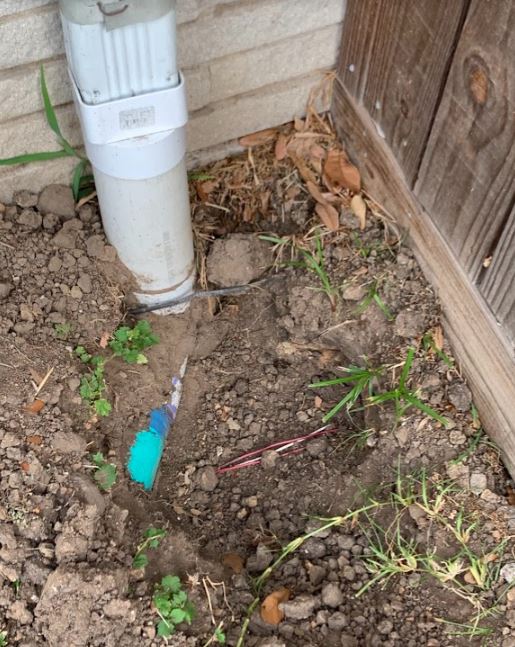
Once you've narrowed down the location, you can do some careful digging to inspect the line itself. Turn off the system first. Dig slowly and by hand in the suspected area, following the path of your irrigation line. Most residential lines in Houston are buried 6 to 12 inches deep. Look for cracks in the PVC pipe, loose fittings, or areas where the soil is dark and saturated. If you find a cracked line or a leaking connection, stop digging and call a professional. Don't try to patch it yourself, especially if it's under pressure. A temporary fix often fails within weeks.
When to Call a Professional
If you've found the general area but can't pinpoint the exact leak, or if you're not comfortable digging near your irrigation lines, it's time to bring in someone who does this work every day. At JB Irrigation & Services, we have the tools and experience to locate and repair leaks quickly, whether it's a cracked line, a failed valve, or a head that's broken underground. We can pressure test your system, use acoustic detection if needed, and fix the problem the right way the first time. Houston's soil, heat, and age of many irrigation systems mean leaks are common, and we've seen every type.
Don't let a hidden leak waste water and money. Call JB Irrigation & Services today to get your system checked and repaired.